

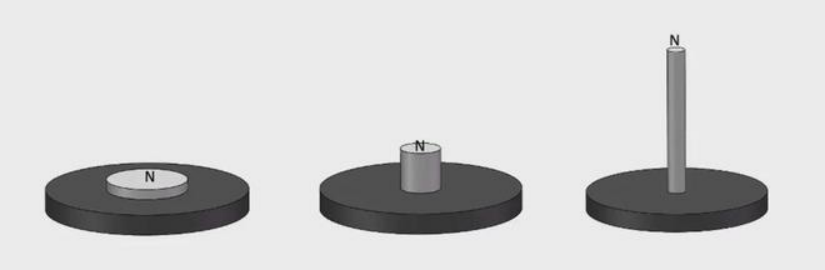
Magnets play a crucial role in various industries, from electronics to manufacturing and medical devices. When considering magnetic applications, one key question often arises: do similar magnets always have the same pull force? While it may seem logical to assume that magnets of the same size, material, and magnetization should exert identical pull force, numerous factors can cause variations. Understanding these factors is essential for ensuring optimal magnet performance in real-world applications.
Key Factors That Affect Magnetic Pull Force
Magnetic pull force is determined by several key factors, including material composition, magnetization level, and external conditions. Below are the main aspects that influence the strength of a magnet’s pull.
Material Composition
The type of material used in a magnet plays a crucial role in determining its pull force. Neodymium magnets, for example, have a much stronger magnetic field than ferrite or AlNiCo magnets. The intrinsic properties of the material define how much magnetic energy can be stored and utilized.
Magnetization Level
The degree to which a magnet is magnetized also affects its pull force. A fully magnetized magnet will exhibit a stronger pull compared to a partially magnetized one. This is why manufacturing processes that ensure maximum magnetization are essential for performance.
Surface Area and Contact Points
A magnet’s pull force is affected by the surface area in direct contact with the attracted object. A larger surface area leads to a stronger pull, while irregular surfaces may reduce the effectiveness of magnetic attraction due to gaps or air pockets.
Temperature Effects
Extreme temperatures can alter a magnet’s performance. High temperatures may cause a magnet to lose its magnetization temporarily or permanently, especially if it exceeds its Curie temperature. Conversely, some magnets, like AlNiCo, perform better at higher temperatures compared to neodymium magnets.
Air Gaps and Distance
The presence of air gaps between a magnet and the attracted object reduces pull force. Even a small gap can significantly weaken the magnetic attraction. This is why direct contact or minimizing air gaps is essential for achieving maximum pull force.
External Magnetic Fields
The presence of other magnetic fields in the surrounding environment can influence a magnet’s pull force. Interference from nearby magnets or electromagnetic fields may either enhance or weaken the magnetic effect, depending on their orientation and strength.
Experimental Testing and Variations in Pull Force
Testing and evaluating magnetic pull force under controlled conditions is essential to understanding variations between seemingly identical magnets.
Standard Testing Methods
Magnetic pull force is commonly measured using a pull test, where a force gauge determines the amount of force required to detach a magnet from a ferrous surface. Other techniques, such as Gauss meters, measure magnetic field strength to estimate pull force performance.
Real-World Experiments
In practical tests, small variations in material quality, manufacturing tolerances, and magnetization levels can result in differing pull forces. For instance, two neodymium magnets of the same size may exhibit different strengths due to slight differences in composition or production processes.
Why Identical Magnets May Perform Differently
Even if two magnets have the same specifications, factors like surface imperfections, coating quality, and slight compositional changes can influence their magnetic performance. Additionally, exposure to varying environmental conditions can further affect pull force over time.
Practical Implications and Applications
Understanding pull force variations is critical for industries that rely on consistent magnetic performance.
Importance in Industrial Applications
Consistent pull force is essential for reliability in manufacturing, electronics, and healthcare industries. Magnets are used in sensors, motors, and medical devices where precision is key. Any variations in pull force could lead to malfunction or inefficiencies in critical applications.
Ensuring Consistency in Production
Manufacturers maintain uniform pull force by implementing strict quality control measures. Standardized magnetization processes and regular performance testing help ensure that each magnet meets required specifications. High-grade materials and refined production techniques play a key role in achieving consistent magnet performance.
Examples of Magnet Selection and Control
Industries utilize magnets in applications such as robotics, automotive assembly, and MRI machines, where controlled magnetic strength is crucial. Engineers carefully assess supplier reliability, product specifications, and testing data to guarantee magnets meet stringent performance standards.
Jinhong’s Role in Magnet Manufacturing
Companies like Jinhong specialize in producing high-quality magnetic materials with precise control over pull force variations. By leveraging advanced manufacturing techniques, Jinhong ensures that their magnets provide consistent performance across various applications, meeting the high demands of modern industries.
How to Ensure Consistent Magnetic Performance
Maintaining uniform magnetic pull force involves selecting quality magnets, proper handling, and robust supplier control.
Selecting High-Quality Magnets
Choosing magnets from reputable suppliers is essential to ensuring long-term performance. High-quality magnets are made from premium materials like neodymium or samarium-cobalt, which offer superior strength and reliability. The manufacturing process should guarantee precise magnetization to ensure uniform magnetic properties. Additionally, standardized coatings help protect the magnet from corrosion and other environmental factors, thus preserving its pull force over time. Ensuring these factors contribute to the magnet’s overall consistency and strength in various applications.
Best Practices for Storage and Handling
Proper storage and handling are critical to maintaining the strength and longevity of magnets. Magnets should be stored in cool, dry conditions to avoid exposure to extreme temperatures and humidity, which can negatively impact their performance. Additionally, they should be kept away from strong magnetic fields or objects that may demagnetize them. Using appropriate storage containers that protect the magnet from physical damage also helps preserve their integrity. Proper handling practices, such as wearing gloves and using non-magnetic tools, prevent accidental damage during installation or maintenance.
Supplier Quality Control and Testing
Working with manufacturers who implement rigorous quality control processes ensures magnets meet consistent standards. Regular testing of batch samples is crucial to identifying any discrepancies in performance before they reach customers. These tests should include measurements of magnetic strength, durability, and resistance to environmental conditions. Suppliers who prioritize quality assurance provide magnets that are reliable and perform as expected across a variety of conditions. This process also guarantees compliance with industry standards, ensuring that magnets maintain their pull force consistency over time.
Conclusion
Although two magnets may appear similar, their pull forces can vary based on material, magnetization, environmental factors, and external influences. Understanding these factors ensures the optimal selection and application of magnets in various industries. By carefully considering these aspects, businesses and engineers can maximize the efficiency of magnetic solutions. Jinhong plays a crucial role in providing high-quality magnets with consistent pull force, ensuring reliability in industrial applications.