

Permanent magnets can lose magnetization through a decaying alternating magnetic field, heating above the Curie temperature, or mechanical shock. These mechanisms affect magnetic order in different ways. Their usefulness depends on the material, coercivity and assembly, and each carries distinct risks.
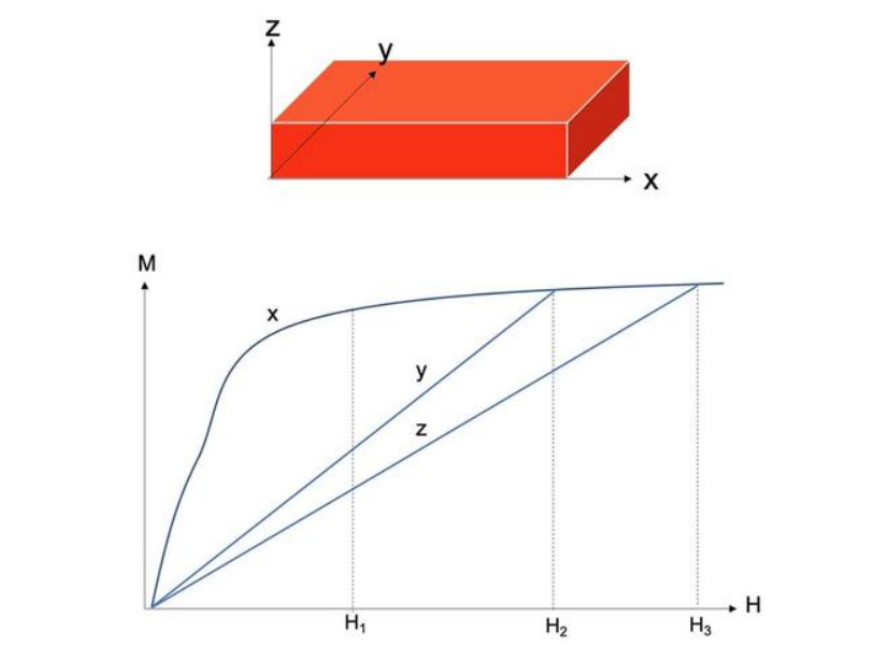
Three Demagnetization Methods and Their Limits
1. A Decaying Alternating Magnetic Field
An alternating field repeatedly changes the direction of the applied magnetic influence. As its amplitude decays, the material can move through progressively smaller hysteresis loops toward a lower net magnetization. High-coercivity permanent magnets require equipment suited to their magnetic properties. Strong fields can affect nearby magnetic objects and sensitive equipment, while the electrical system introduces its own hazards.
2. Heating Above the Curie Temperature
Above the Curie temperature, thermal agitation disrupts the ordered magnetic state responsible for spontaneous magnetization. Cooling restores the material’s capacity for magnetic order, while the resulting net magnetization depends on its condition and the magnetic field during cooling. High-temperature exposure can also damage coatings, binders and surrounding components or alter material properties. A finished magnet may suffer irreversible magnetic losses below its Curie temperature; the specified working temperature is a separate limit.
3. Mechanical Shock
Mechanical stress from impact can disturb magnetic-domain arrangements and reduce net magnetization in some materials. The response varies with coercivity, structure and the surrounding field, making the result difficult to control. Brittle permanent magnets may chip or fracture and release sharp fragments. This mechanism explains a possible cause of magnetic loss; routine separator care is better served by the prescribed cleaning and inspection procedures.
Choosing an Approach for the Actual Magnet
Identify the material grade, geometry, magnetization direction and surrounding components. Then define the intended result: reducing residual magnetism, changing the pole arrangement, or assessing a magnet that has lost performance. Equipment selection and process review should address both the magnetic result and the condition of the finished assembly.
For temperature-related questions, see the guide to Curie temperature and working temperature. The three principles above describe the physical mechanisms; treatment settings and equipment selection belong in a specialist review of the actual component.
Checking the Magnetic Result
A useful residual-field specification records the measurement position, probe orientation, distance, instrument and acceptance limit. Matching these conditions before and after treatment makes the results comparable. The surface-field and magnetic-flux guide explains how measurement setup affects the result.
Magnetic-Rod Care in Separation Equipment
Regular cleaning removes collected contamination and keeps magnetic surfaces available to the material stream. When capture performance changes, review buildup, flow conditions, temperature exposure and magnetic measurements. JINHONG can provide replacement or remagnetization for magnetic rods used in magnetic separation equipment. Share the equipment model, rod dimensions, condition and available measurements so the suitable option can be reviewed.
Frequently Asked Questions
How do the three demagnetization principles differ?
A decaying alternating field changes magnetic alignment through repeated reversals; heating above the Curie temperature disrupts magnetic order; mechanical shock can disturb domain arrangements. Material properties and assembly condition determine how the magnet responds.
What should I check when a separator’s magnetic rod appears weaker?
Record the equipment model, rod dimensions, cleaning history, operating temperature and measurements taken under the same conditions. These details help distinguish material buildup and process changes from a change in the rod’s magnetic performance.
Can JINHONG replace or remagnetize magnetic rods?
Yes. JINHONG can provide replacement or remagnetization for magnetic rods used in magnetic separation equipment. Send the equipment model, rod dimensions, photographs and available magnetic measurements for review.