
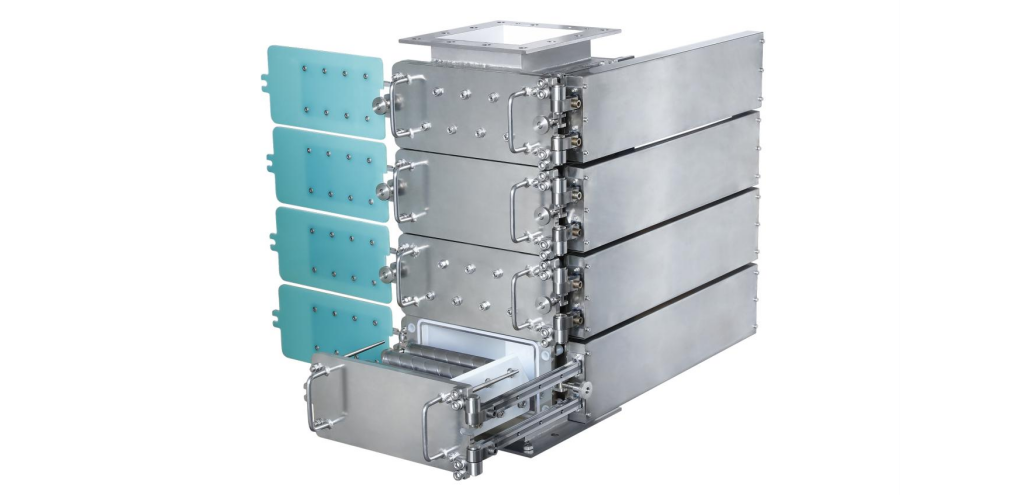
Magnetic Filtration for Liquid Lines
Review liquid viscosity, operating pressure and temperature, pipe connection and seal compatibility. Confirm the housing and product-contact materials for the chemical being processed. Cleaning access and isolation arrangements must be included in the line design.

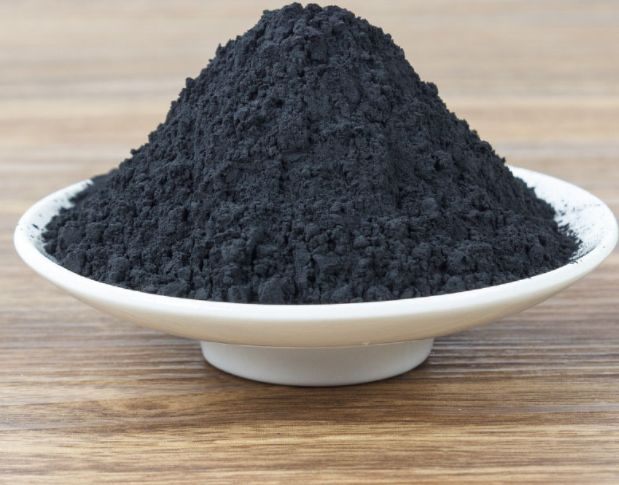
Conductive Carbon Black and Other Powders
For carbon black and other powders prone to bridging, assess moisture, bulk density and flowability. Specify the iron-contamination target separately from the powder particle size. Sample trials are needed before setting a removal-rate or throughput commitment.
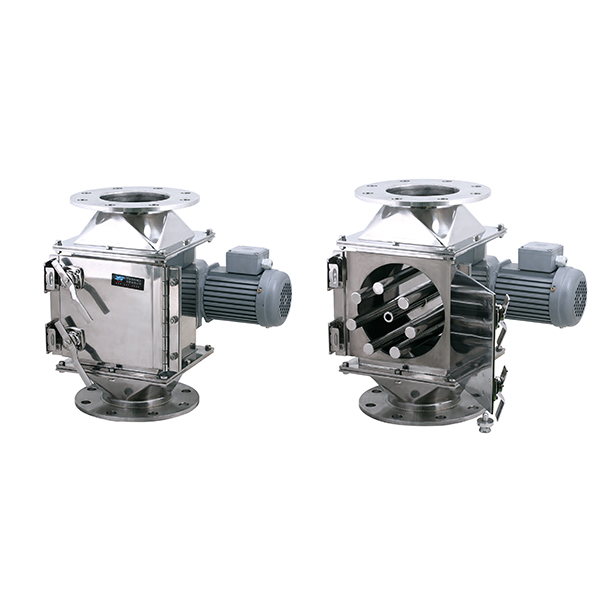
Select equipment for your chemical process
For gravity-fed dry powders, compare the JH-LX self-cleaning magnetic separator with a rotary separator for powders prone to bridging. For pumped liquids, review pipeline liquid magnetic traps against the specified pressure, temperature and seal compatibility.
The anonymous electronic-grade silica powder case describes a long-term equipment supply relationship. It is a separate application reference, not a performance guarantee for chemical powders or liquids.