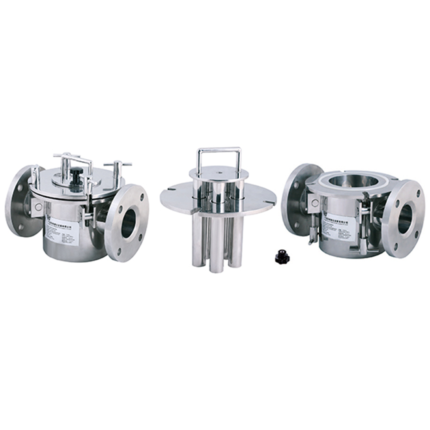
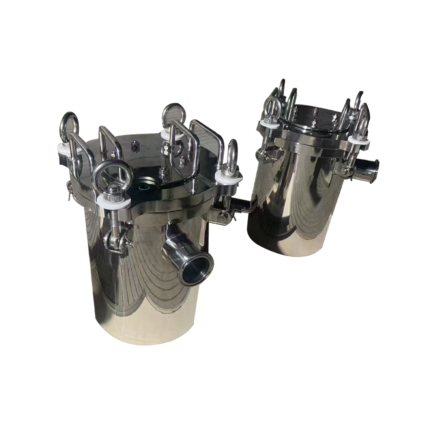
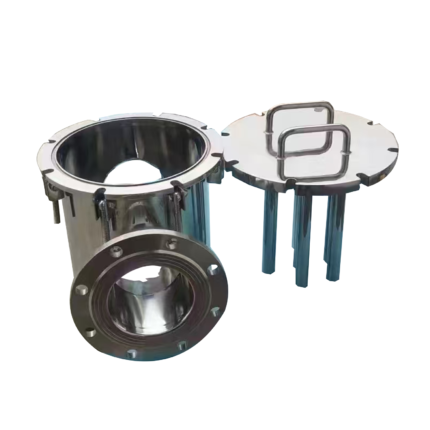
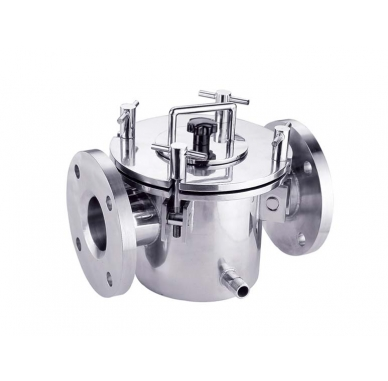
JINHONG liquid magnetic traps capture ferromagnetic particles from pipeline liquids. Select the configuration for your liquid, pipe size, flow rate, operating pressure and temperature.
Compare the standard liquid magnetic trap with the easy-clean magnetic trap, which adds a stainless steel sleeve around the magnetic rods to assist cleaning. Include cleaning frequency and maintenance access in your selection.
Request a configuration quote with your process and installation details.
How do magnetic liquid traps work?+
Magnetic liquid traps use high-intensity magnets to capture ferrous metal particles from liquids and slurries as they pass through. These traps ensure product purity and protect equipment from damage. Commonly used in industries like food processing, pharmaceuticals, and chemicals, they help maintain high-quality production standards and keep machinery safe from contamination.
Where are magnetic liquid traps typically used?+
You’ll find magnetic liquid traps in industries like food, chemicals, and pharmaceuticals, where it’s crucial to keep liquids free from metal contaminants. By removing ferrous particles, these traps ensure product purity, prevent equipment damage, and help meet regulatory standards for safety and cleanliness in liquid-based production processes.
Can these traps be customized for my system?+
Yes, Jinhong can tailor magnetic liquid traps to your specific needs. Whether you have unique pipeline sizes, flow rates, or application requirements, the design can be customized to fit seamlessly into your system, providing the most effective solution for capturing metal particles in your production lines.
How often do they need to be cleaned?+
Cleaning frequency depends on the level of metal contamination in the liquid. However, Magnetic Liquid Traps are designed for easy maintenance, allowing for quick cleaning without significant downtime. Regular inspection ensures optimal performance, but overall, these traps require minimal intervention to keep working efficiently.
Is a higher gauss rating enough to select a liquid magnetic trap?+
No. Compare field readings at agreed measurement positions, then review liquid viscosity, flow, pipe size, contamination and the magnetic assembly. Gauss alone does not establish removal efficiency or final iron content. Confirm the configuration and acceptance criteria for your process.
What temperature and pressure ratings should I confirm for a liquid magnetic trap?+
The standard JINHONG working temperature is ≤80°C. Catalog pressure options are 6–10 bar depending on pipe diameter. Confirm the rating of the selected assembly, seals and connections for your operating conditions. Higher-temperature service requires separate review.
Can a liquid magnetic trap remove all metal particles from a liquid?+
No. A liquid magnetic trap captures magnetically responsive particles, including iron and many steel fragments. Non-magnetic contaminants require a different removal method. Capture depends on the contaminant, particle size, liquid properties, flow and trap configuration. Provide a contaminant sample, viscosity and flow conditions for an application review.
Does a Magnetic Liquid Trap affect liquid flow rates?+
The effect depends on liquid properties, flow rate, pipe size and the internal assembly. Provide normal and maximum flow, viscosity and allowable pressure drop so the configuration can be reviewed. Do not assume that the flow or pressure-drop effect will be negligible in every installation.