

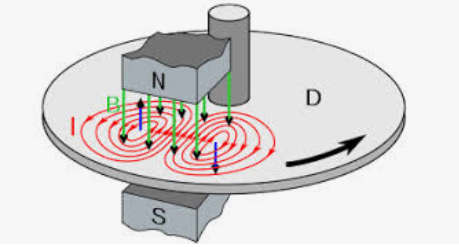
Eddy current loss is a critical factor affecting the performance and efficiency of magnetic materials used in electrical and electronic applications. When a magnetic material is exposed to a changing magnetic field, circulating currents—known as eddy currents—are induced within the material. These currents generate unwanted heat, leading to energy dissipation and performance degradation. Understanding the key factors influencing eddy current loss is essential for improving the efficiency of transformers, motors, and other electromagnetic devices.
What Is Eddy Current Loss
Eddy current loss occurs due to the interaction between a time-varying magnetic field and the electrical conductivity of the material. According to Faraday’s Law of Electromagnetic Induction, a changing magnetic flux induces an electromotive force (EMF) in a conductor. This induced EMF causes circulating currents within the material, resulting in Joule heating. The power lost due to eddy currents is proportional to the square of the frequency of the magnetic field, the square of the material thickness, and the electrical conductivity of the material. This loss can significantly impact the efficiency of electrical machines, making it crucial to control and minimize eddy current formation.
Key Factors Affecting Eddy Current Loss
Eddy current loss is influenced by several material and operational factors that impact energy dissipation and efficiency in electrical applications. Understanding these key factors helps engineers optimize material selection and design to minimize losses and enhance performance.
Electrical Conductivity
One of the primary factors influencing eddy current loss is the electrical conductivity of the material. High-conductivity materials, such as copper and aluminum, allow greater eddy current flow, leading to higher energy dissipation. Conversely, materials with lower electrical conductivity, such as ferrites, experience reduced eddy current loss. Engineers often choose materials with an optimal balance between conductivity and other magnetic properties to enhance efficiency.
Material Thickness
The thickness of the magnetic material plays a significant role in determining the magnitude of eddy currents. Thicker materials provide a larger path for circulating currents, increasing eddy current loss. This is why electrical transformers and motor cores are designed using laminated structures. These laminations, typically insulated from each other, restrict the flow of eddy currents and minimize losses. The thinner the laminations, the lower the eddy current loss, making this an effective strategy for improving energy efficiency.
Frequency of Magnetic Field
Eddy current loss increases with the square of the frequency of the applied magnetic field. In high-frequency applications, such as in radio-frequency (RF) transformers and high-speed electric motors, this loss becomes a significant concern. Engineers mitigate eddy current effects in such applications by using high-resistivity materials or laminations with insulation coatings. Materials with lower electrical conductivity and optimized design features can help reduce frequency-dependent losses.
Magnetic Permeability
Magnetic permeability, which describes how easily a material can be magnetized, also influences eddy current loss. High-permeability materials, such as silicon steel and soft ferrites, are commonly used in transformers and inductors to improve efficiency. These materials facilitate better magnetic flux conduction while reducing unwanted eddy current effects. However, the choice of material must also consider other factors such as coercivity and hysteresis loss.
Temperature Effects
Temperature variations can significantly impact the electrical and magnetic properties of materials, affecting eddy current loss. As temperature increases, the resistivity of most metals rises, reducing eddy current loss. However, excessive heat can degrade insulation layers, leading to increased losses and material breakdown. Proper thermal management and cooling mechanisms are essential to maintaining material integrity and performance.
Methods to Reduce Eddy Current Loss
Minimizing eddy current loss is essential for enhancing the efficiency of electrical machines and magnetic materials. Engineers employ various strategies, such as material selection, structural modifications, and frequency control, to reduce energy dissipation. The following methods are widely used to mitigate eddy current effects and improve performance in industrial applications.
Use of Laminated Cores
One of the most effective ways to reduce eddy current loss is by using laminated cores in electrical machines. The lamination process involves stacking thin sheets of magnetic material with insulation between them, preventing large eddy currents from forming. This technique is widely used in transformer cores, electric motor stators, and generators to enhance efficiency and reduce energy dissipation.
Choosing Low-Conductivity Materials
Materials with low electrical conductivity, such as ferrites, are preferred in high-frequency applications to minimize eddy current loss. Ferrites are commonly used in inductors and transformers due to their high resistivity and excellent magnetic properties. These materials help maintain efficiency while reducing the thermal impact of eddy currents.
Optimizing Material Thickness and Design
Reducing the thickness of magnetic materials or using specialized geometries can help control eddy current loss. Engineers employ design strategies such as using slotted cores, segmented structures, and composite materials to optimize performance. Advanced simulation tools and modeling techniques aid in determining the best configurations for minimizing energy loss.
Frequency Management
Controlling the frequency of operation is another effective way to mitigate eddy current loss. In some applications, operating at lower frequencies can help reduce energy dissipation. Additionally, selecting materials with properties tailored for specific frequency ranges ensures better efficiency and performance in electrical devices.
Applications and Industry Relevance
Eddy current loss plays a crucial role in various industries, particularly in the design and optimization of electrical machines. In power transformers, minimizing eddy current loss improves energy efficiency and reduces operational costs. In electric motors, lower losses contribute to higher performance and prolonged lifespan. Additionally, induction heating applications rely on controlled eddy current generation for precise temperature management.
Jinhong, a leading company specializing in magnetic materials and separation technologies, continuously innovates to develop solutions that optimize magnetic performance. By understanding and mitigating eddy current loss, Jinhong provides advanced materials and engineering solutions that enhance efficiency in various industrial applications. Their expertise in magnetic separation and material refinement ensures that industries benefit from reduced energy losses and improved operational efficiency.
Conclusion
Eddy current loss is a significant factor influencing the performance of magnetic materials in electrical and electronic devices. By understanding key factors such as electrical conductivity, material thickness, frequency effects, and permeability, engineers can develop strategies to minimize energy loss. Techniques like using laminated cores, selecting low-conductivity materials, optimizing design, and managing operational frequencies play a crucial role in improving efficiency. Companies like Jinhong continue to lead advancements in magnetic materials, helping industries reduce eddy current losses and enhance overall performance. As technology evolves, ongoing research and material innovations will further contribute to energy-efficient solutions in the field of magnetism and electromagnetism.