

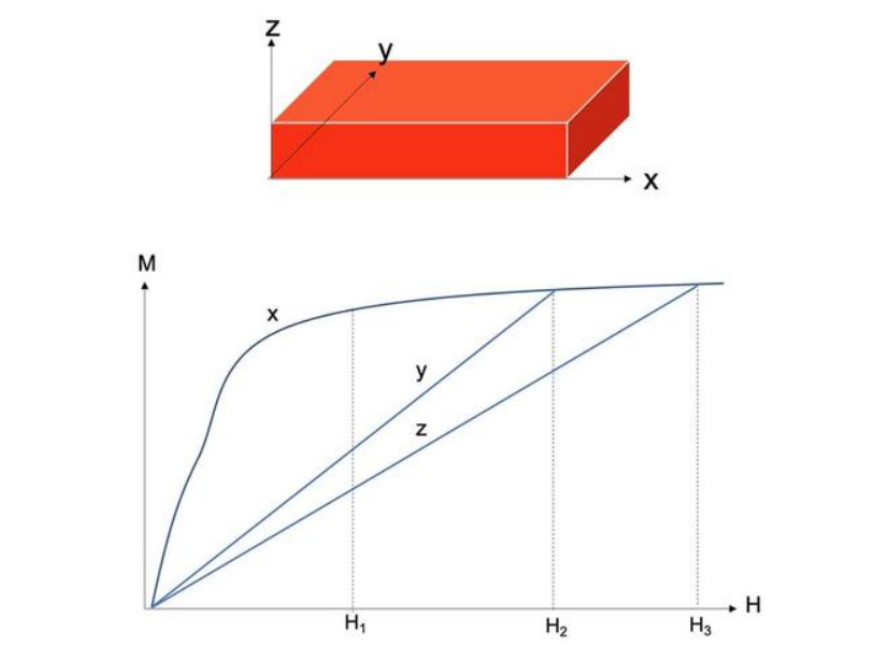
Permanent magnets play a crucial role in various industries, from electronics and manufacturing to magnetic separation processes. While these magnets are designed to retain their magnetism, there are instances where demagnetization is necessary. Whether for recycling, repurposing, or maintaining the efficiency of magnetic separation systems, understanding how to demagnetize a permanent magnet is essential.
Jinhong, a leading expert in magnetic separation technology, specializes in providing advanced solutions for handling and processing magnetized materials. This guide explores different methods of demagnetization, their applications, and how Jinhong’s expertise contributes to industrial efficiency.
Understanding Magnetism and Demagnetization
To understand how to demagnetize a permanent magnet, it’s important to grasp some basic concepts of magnetism:
-
Magnetization: The process of aligning magnetic domains within a material, giving it magnetic properties.
-
Demagnetization: The process of disrupting the alignment of these domains, reducing or eliminating the magnetic field.
-
Remanence: The residual magnetization left in a material after an external magnetic field is removed.
-
Coercivity: The resistance of a magnet to changes in its magnetization state.
Different magnetic materials exhibit varying levels of coercivity, meaning some are easier to demagnetize than others. For example, ferrite magnets are relatively easy to demagnetize, whereas neodymium magnets require stronger interventions due to their high coercivity.
How to Demagnetize a Permanent Magnet
Different techniques can be used to demagnetize a permanent magnet, depending on its material and application. Below are the most common methods:
Heating Above Curie Temperature
When a magnet is heated above its Curie temperature, the thermal energy disrupts the alignment of magnetic domains. This causes the magnet to lose its magnetic properties permanently. The exact temperature required depends on the material, with neodymium magnets losing magnetism at around 310-400°C, while ferrite magnets require higher temperatures.
Applying an Alternating Magnetic Field
Subjecting a magnet to a gradually decreasing AC magnetic field forces its domains to realign repeatedly in different directions. As the field weakens, the domains settle into a random state, effectively canceling out the overall magnetization. This method is commonly used in industrial demagnetization processes.
Mechanical Shock or Vibration
Striking or vibrating a magnet with significant force can disturb its internal structure, leading to misalignment of the magnetic domains. While this method may not completely erase magnetism, it can reduce a magnet’s overall strength. This approach is more effective on brittle magnets like ferrites than on strong neodymium magnets.
Reverse Magnetization
Applying a strong external magnetic field in the opposite direction of the magnet’s existing polarity can cancel out or reverse its magnetic alignment. This technique is commonly used when precise control over the demagnetization process is required, such as in industrial recycling or reprocessing applications.
Inducing Eddy Currents
High-frequency electromagnetic induction generates eddy currents within the magnet, producing localized heat that weakens its magnetism. This method is particularly useful for demagnetizing conductive magnets, such as certain alloys, without directly heating the entire material.
Comparison of Demagnetization Methods
Different demagnetization methods vary in terms of efficiency, cost, and practicality, making some techniques more suitable than others depending on the application.
Thermal Demagnetization (Heating Above Curie Temperature)
-
Efficiency: Highly effective for permanent demagnetization, as it completely disrupts magnetic domains.
-
Cost: Can be expensive due to high energy consumption, especially for industrial-scale heating.
-
Practicality: Not ideal for delicate applications, as excessive heat may damage materials or alter physical properties.
-
Best For: Recycling, metal refining, and applications where permanent demagnetization is required.
Electromagnetic Demagnetization (Alternating Magnetic Field & Eddy Currents)
-
Efficiency: Highly effective, particularly for controlled industrial applications.
-
Cost: Moderate; requires specialized equipment but is energy-efficient compared to thermal methods.
-
Practicality: Practical for large-scale use and can be precisely controlled for partial or complete demagnetization.
-
Best For: Industrial demagnetization of tools, components, and materials in manufacturing and recycling.
Mechanical Demagnetization (Shock or Vibration)
-
Efficiency: Limited; may reduce magnetism but not fully demagnetize strong magnets.
-
Cost: Low; does not require specialized equipment.
-
Practicality: Easy to implement but inconsistent results make it unsuitable for precise applications.
-
Best For: Situations where slight magnetism reduction is acceptable, such as handling brittle ferrite magnets.
Each method has advantages and drawbacks, making it essential to choose the right approach based on the material type, industry requirements, and cost considerations.
Industrial Applications of Demagnetization
Demagnetization is crucial across various industries where residual magnetism can impact performance, precision, and safety. Below are some key industrial applications where controlled demagnetization is essential.
Recycling and Metal Separation
In recycling and waste management, demagnetization plays a crucial role in separating ferrous and non-ferrous materials. By eliminating residual magnetism, it prevents contamination and improves sorting efficiency, ensuring that valuable metals can be effectively recovered and reused in manufacturing.
Automotive and Aerospace Industries
In automotive and aerospace engineering, unwanted magnetism in metal components can interfere with precision instruments and sensitive electronic systems. Demagnetization ensures that essential parts, such as sensors and mechanical components, function without disruption, improving safety and performance.
Medical Devices and Sensitive Electronics
Medical devices and high-precision electronics are highly sensitive to magnetic interference. Demagnetization is essential to maintain the accuracy of devices like MRI machines, pacemakers, and other medical equipment. It also prevents unwanted electromagnetic interference in delicate electronic circuits, ensuring reliable operation.
Manufacturing and Machining
Residual magnetism in metal parts can cause issues in machining processes, such as improper alignment, tool wear, and difficulty in handling components. Demagnetization ensures smooth machining operations, reducing defects and improving manufacturing precision.
Railway and Transportation
Magnetic fields can interfere with train signaling systems and electronic controls in transportation networks. Proper demagnetization of critical components helps maintain the efficiency and safety of railway systems and other transit infrastructure.
Energy Sector and Power Generation
In power plants, turbines, and electrical grids, unwanted magnetism can impact the performance of transformers, generators, and sensors. Demagnetization ensures efficient energy transmission and reduces maintenance issues related to magnetic interference.
Safety Considerations During Demagnetization
Demagnetization involves processes that generate heat, strong magnetic fields, and mechanical forces, all of which require careful handling. Proper safety measures ensure that operators and equipment remain protected during the process. Jinhong’s magnetic separation technology ensures efficient and safe operations by incorporating safety features into every solution.
Handling High Temperatures
Thermal demagnetization requires heating a magnet above its Curie temperature, often exceeding 300°C. Such high temperatures pose burn risks and can damage nearby materials if not controlled properly. Operators should wear heat-resistant gloves, protective clothing, and face shields while ensuring the heating process is conducted in a ventilated and controlled environment to avoid accidental fires or overheating. Jinhong’s equipment incorporates cooling systems and temperature sensors to ensure a safe environment during high-temperature operations.
Exposure to Strong Magnetic Fields
Electromagnetic demagnetization involves alternating magnetic fields, which can affect ferromagnetic materials in the surroundings. Workers should avoid wearing metal accessories like rings, watches, or tools, as they might be pulled into the magnetic field, causing injuries. In industrial setups, shielding and proper distance from the magnetic source help reduce unwanted exposure to strong fields. Jinhong provides equipment with built-in magnetic shielding to minimize exposure to high magnetic fields, ensuring safety in various industrial settings.
Risk of Flying Debris
Some mechanical demagnetization methods, such as striking or vibrating a magnet, can cause brittle materials like ferrite magnets to shatter. This creates a risk of sharp debris flying at high speed, which can cause eye injuries or cuts. Workers should wear safety goggles, face shields, and protective clothing, and the process should be conducted in a controlled area to minimize risks. Jinhong’s advanced magnetic separation equipment is designed to handle materials safely, reducing the risk of debris and other hazards.
Electrical Hazards
Electromagnetic demagnetization requires high-voltage equipment, posing risks of electric shocks and short circuits if not handled correctly. Proper grounding and insulation of all electrical components is crucial. Operators should ensure that wires, power sources, and control units are inspected before use to prevent malfunctions or unexpected power surges. Jinhong ensures all its equipment meets electrical safety standards, providing protection from electrical hazards during demagnetization.
Controlled Workspaces
Demagnetization should take place in restricted, well-marked workspaces to ensure safety. Unauthorized personnel should not be present in areas where strong magnetic fields or high temperatures are in use. Industrial facilities should establish clear safety protocols, warning signs, and emergency procedures to mitigate risks. Proper ventilation is also necessary, especially when heating materials, to prevent fumes from accumulating in enclosed spaces. Jinhong’s solutions include safety features and automated controls to ensure workspaces remain secure during the demagnetization process.
Conclusion
Demagnetization is an essential process in various industries, ensuring efficiency and safety by eliminating unwanted magnetism in materials. Whether it’s through heating, electromagnetic fields, or mechanical methods, each technique offers distinct benefits and challenges. Jinhong’s advanced magnetic separation technology helps streamline this process while prioritizing safety and precision.
To ensure your operations are running smoothly and safely, consider Jinhong’s cutting-edge solutions for demagnetization and magnetic separation. Our expertise in industrial magnetism guarantees that your materials are handled with the highest standards of safety and efficiency. Contact Jinhong today to learn more about how our innovative solutions can support your business in achieving optimal results.