
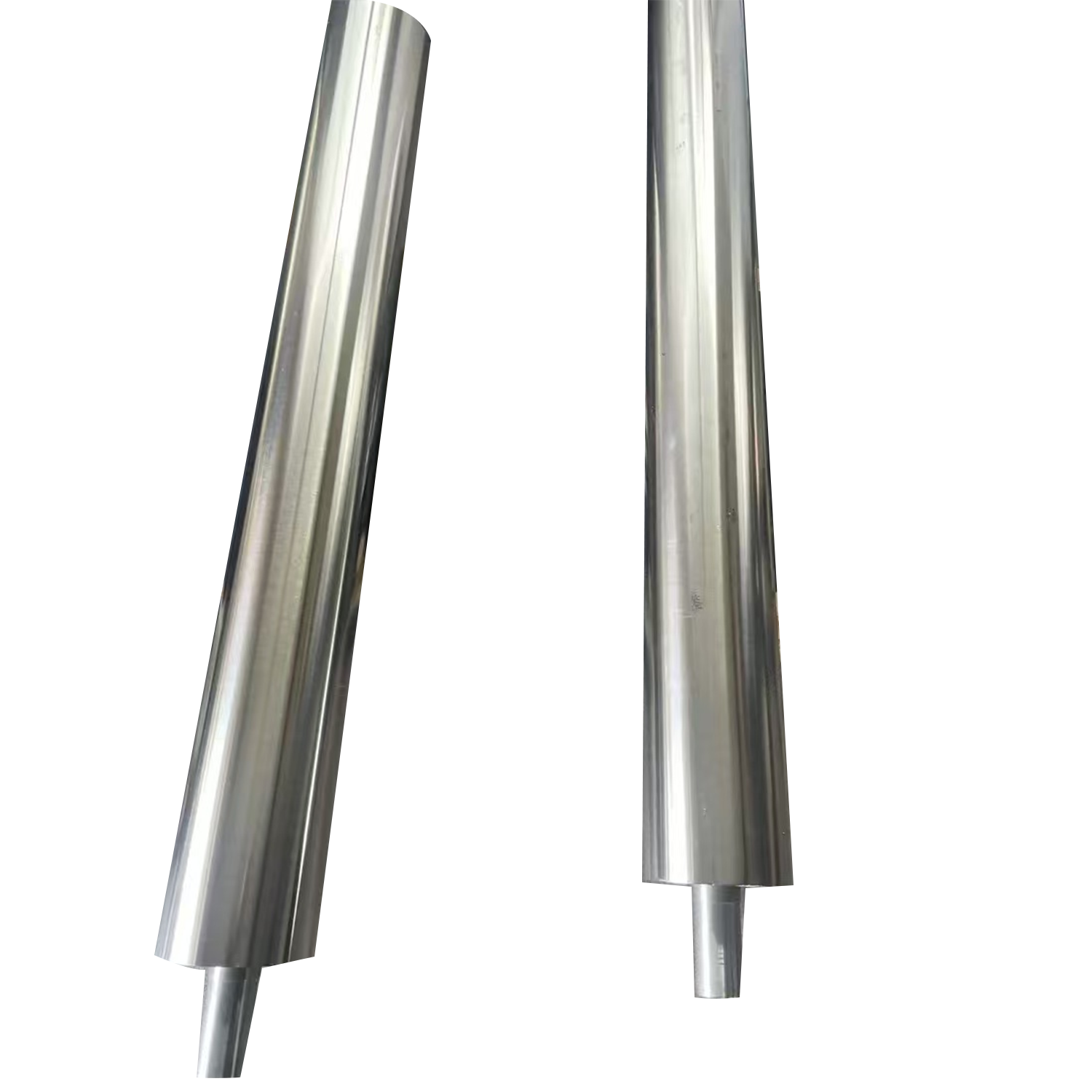
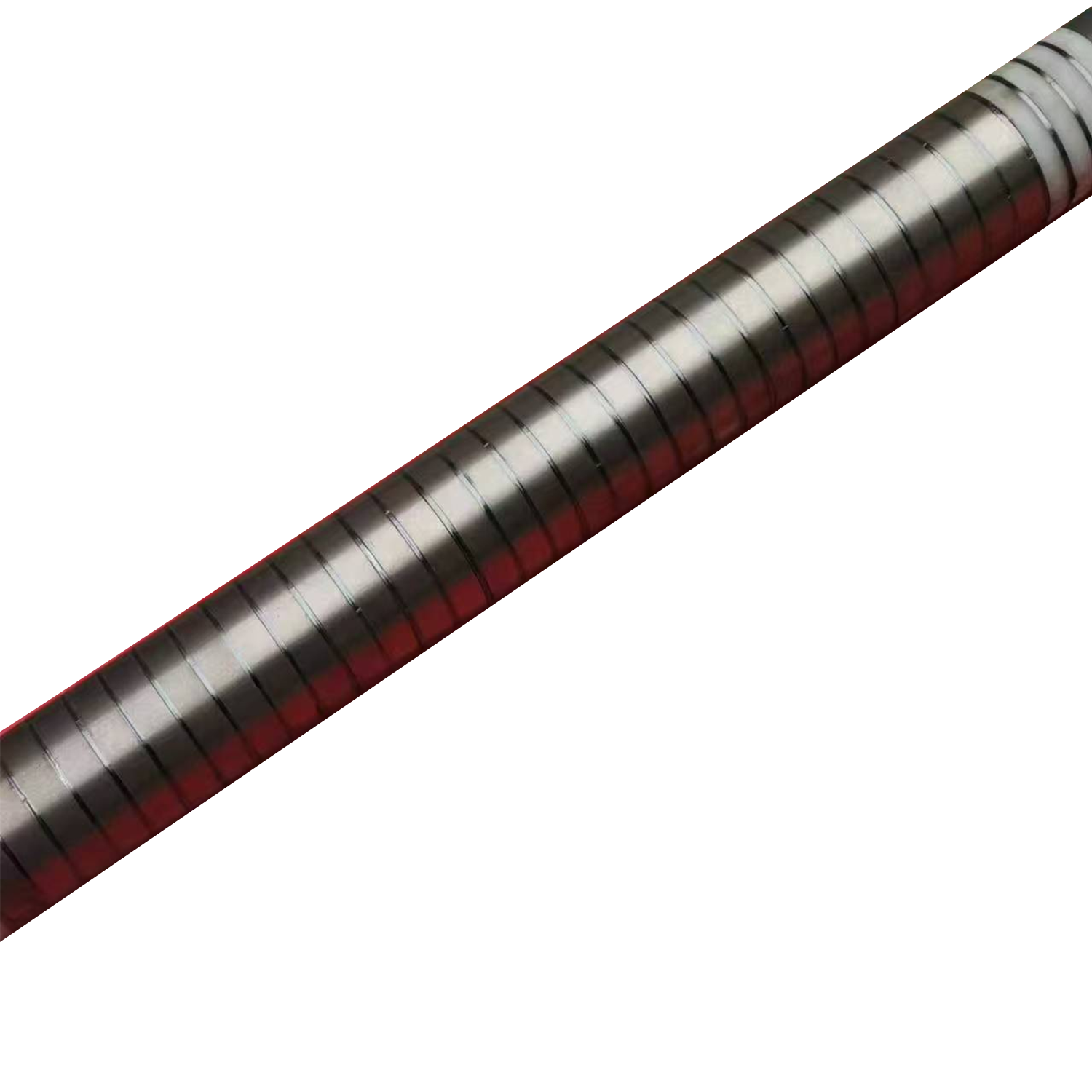
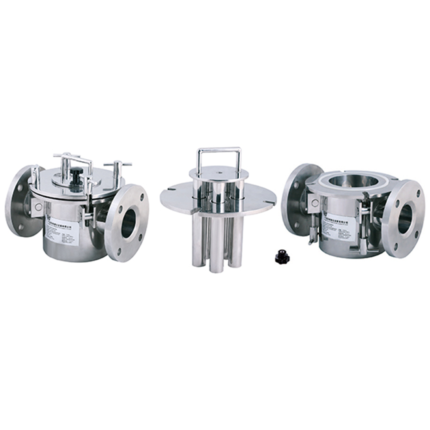
JINHONG permanent magnetic head pulleys separate ferromagnetic contamination at a conveyor discharge. Ferrite and rare-earth magnetic configurations are available, with 304 or 316L stainless steel construction options. Specify the belt, pulley geometry, feed conditions and discharge arrangement to select the supplied assembly.
Which Magnetic and Housing Options Are Available?
The 2 listed magnetic options are ferrite and rare-earth permanent magnets. Housing materials include 304 and 316L stainless steel. The existing catalog describes configurations up to 15,000 GS; confirm the magnet construction, measurement position and working surface rather than applying this maximum to every pulley.
How Do Published Conveyor Pulley References Compare?
| Supplier / reference | Published geometry | Selection basis |
|---|---|---|
| JINHONG custom pulley | Diameter, face width and shaft to agreed drawing | Belt speed, burden depth and contamination define the application |
| SOLLAU MV 154 | 154 mm diameter; listed belt-width options begin at 200 mm | Official model table |
Published configurations are compared for selection, not as a same-condition performance test. Confirm the supplied dimensions, measurement conditions and acceptance specification. Sources checked 25 October 2026.
What Conveyor Details Are Needed Before Quotation?
For either of the 2 magnet types, supply belt width and thickness, belt speed, pulley diameter, face width, shaft and drive details, material size, burden depth and throughput. Show the splitter and collection route on an installation drawing. Permanent magnets need no excitation supply, but the conveyor drive still consumes power.
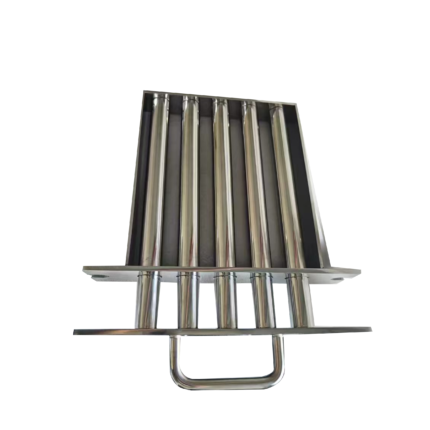
Separation depends on belt thickness, contaminant response and the discharge layout. No universal throughput or particle-size removal limit is stated. Compare grate magnets for hopper installations instead of conveyor discharge.
Frequently Asked Questions
Does a permanent magnetic pulley make the whole conveyor run without electricity?
No. The permanent magnetic field does not need electrical excitation, but the conveyor motor and other powered accessories still require energy. Specify the drive and control arrangement separately.
Can a magnetic head pulley remove aluminium or every stainless steel fragment?
It is intended for ferromagnetic contamination. Non-ferrous metals and some stainless steels will not respond sufficiently for this method. Describe the actual contaminant and agree an application test before setting removal targets.
Request a Permanent Magnetic Head Pulleys Quote
Related applications and selection requirements
Review recycling material flows and mineral-processing conveyors to compare installation, material flow and cleaning requirements. The selected configuration must be assessed for the actual material and operating conditions.
